
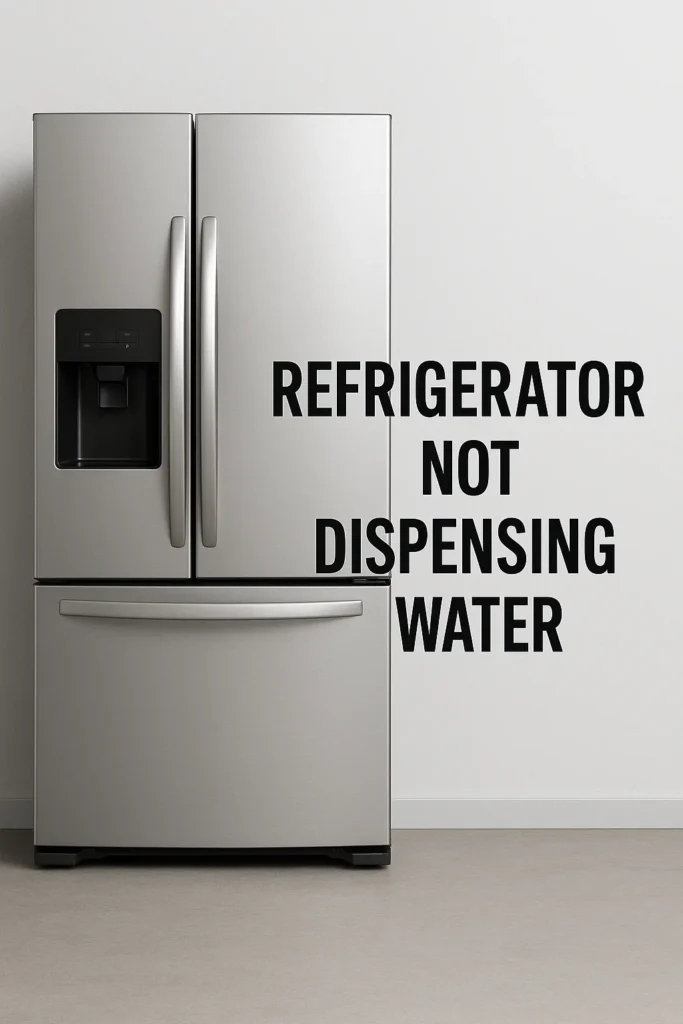
A refrigerator with a built-in water dispenser is a convenient household feature—until it suddenly stops working. When you push the lever expecting a steady stream of cold water and nothing happens, frustration sets in quickly. Fortunately, this problem often stems from a handful of identifiable issues that range from simple user errors to more technical failures.
This article explores the most common reasons your refrigerator is not dispensing water, practical troubleshooting steps, and guidance on when it’s time to call a professional repair service.
Common Causes of Refrigerator Water Dispenser Failure
Several underlying issues can prevent water from flowing through your refrigerator’s dispenser. Understanding these causes will help you narrow down the problem more effectively.
1. Water Filter Problems
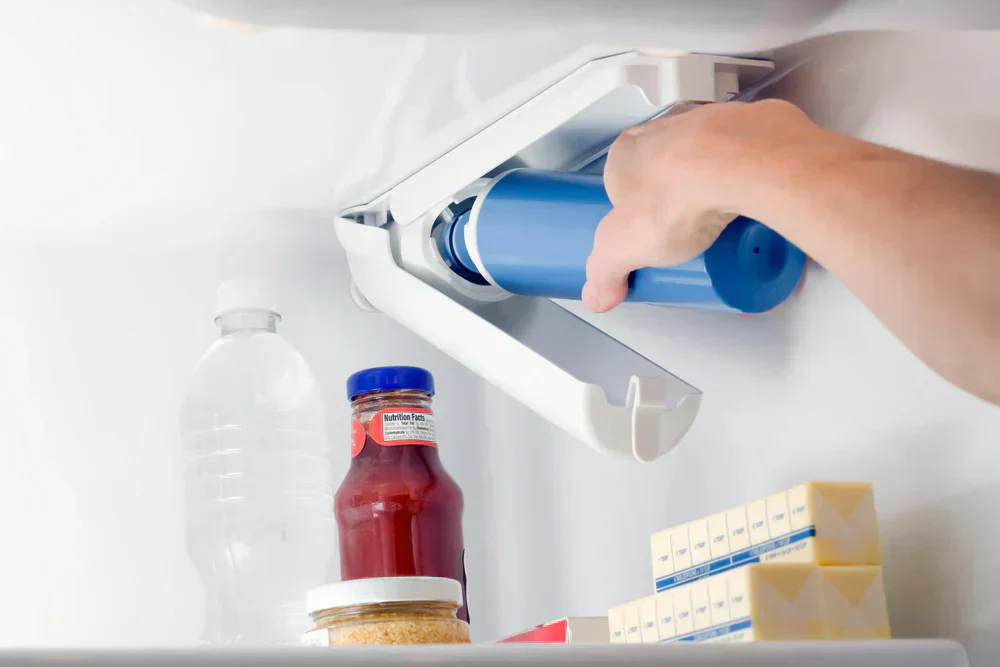
One of the most frequent culprits is a clogged or outdated water filter. Over time, filters collect sediment and minerals, restricting water flow. Most manufacturers recommend replacing the filter every six months. Ignoring this routine maintenance can easily lead to dispenser failure.
2. Frozen Water Line
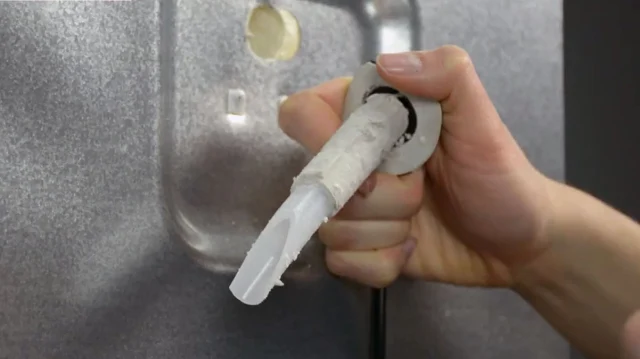
In colder climates—or if the freezer settings are too low—the water line inside the refrigerator can freeze. A frozen line prevents water from reaching the dispenser, and in some cases, may even crack, leading to leaks.
3. Faulty Water Inlet Valve
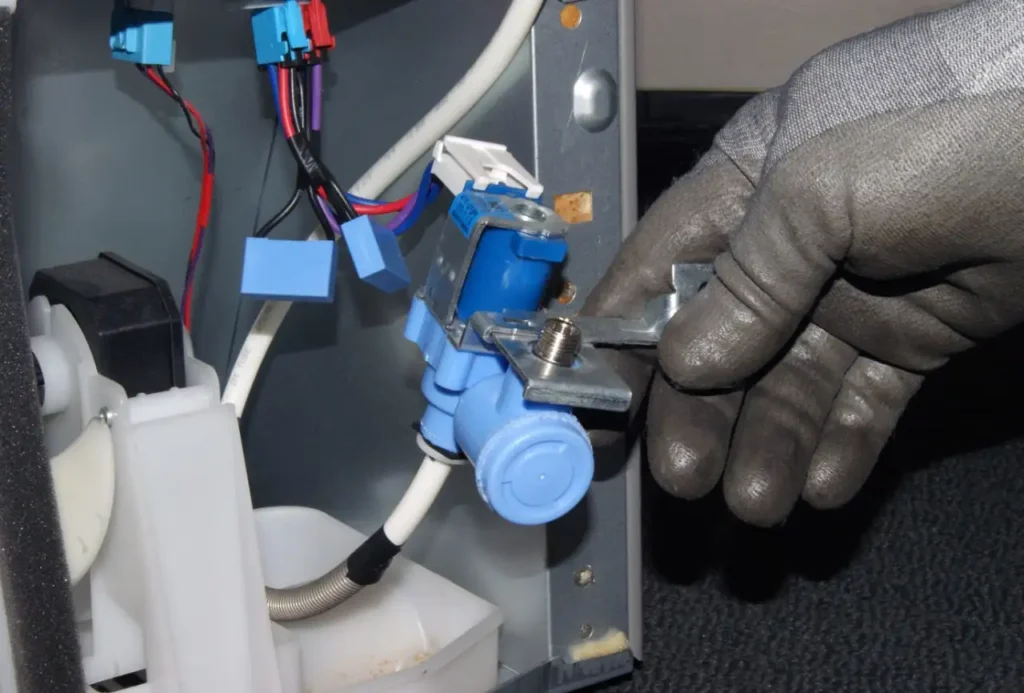
The water inlet valve controls the flow of water from your home’s plumbing to the refrigerator. If it malfunctions due to electrical issues, mineral buildup, or general wear, your dispenser may stop working altogether.
4. Dispenser Control Board Malfunction
Modern refrigerators often use a control board to regulate the dispenser’s electrical components. If the board fails, the dispenser won’t receive the signal to release water, even if the plumbing and filters are in perfect condition.
5. Low Water Pressure in the Home
Your refrigerator needs a minimum water pressure level to operate correctly. Weak household water pressure can make it appear as though the dispenser is broken when in fact, the issue lies in the supply line.
6. User-Related Issues
It may sound obvious, but sometimes the problem isn’t mechanical. An improperly installed filter, an unseated water tank, or a misaligned dispenser lever can mimic more serious problems.
How to Troubleshoot a Non-Working Refrigerator Water Dispenser
Before scheduling a costly service appointment, it’s worth trying some simple troubleshooting steps at home.
Step 1: Check the Water Filter
- Ensure the filter is properly seated.
- If it’s older than six months, replace it with a manufacturer-approved filter.
- Run water through the new filter for several minutes to clear air pockets.
Step 2: Inspect the Water Line
- Adjust freezer settings to ensure the compartment is not too cold.
- If you suspect a frozen line, unplug the refrigerator and let it thaw, or carefully warm the area with a hair dryer (keeping safety in mind).
Step 3: Test the Inlet Valve
- Listen for a faint humming sound when pressing the dispenser lever. If you hear nothing, the valve may not be receiving power.
- Consider having a technician check voltage continuity with a multimeter if you’re comfortable with electrical testing.
Step 4: Measure Household Water Pressure
- Most refrigerators require at least 20 psi to function correctly.
- Low pressure may require plumbing adjustments or a new supply line.
Step 5: Reset or Inspect the Control Board
- Some refrigerators allow you to reset the dispenser system via a control panel.
- If resetting doesn’t help, the control board itself may need professional replacement.
When to Call a Professional
If you’ve tried the above steps and your refrigerator still isn’t dispensing water, the problem may be too complex for a simple DIY fix. Issues like faulty wiring, defective control boards, or damaged inlet valves typically require specialized tools and expertise.
Instead of guessing, it’s safer and often more cost-effective to bring in a trained technician. If you couldn’t fix it yourself, contact us and we will fix it. Professional repair not only saves time but also ensures the appliance is restored without causing further damage.